
Dr. Wesley Carter · Speaker on Grief Science & Human-Centered Leadership
I am Dr. Wesley Carter, founder of Westercove™. I translate the latest grief research into language everyone can understand, and I bring it to podcasts, conferences, panels, workplaces, and communities, on the grief that follows a death and the grief we carry while living, as a technology leader with a Human-Centered Leadership approach.
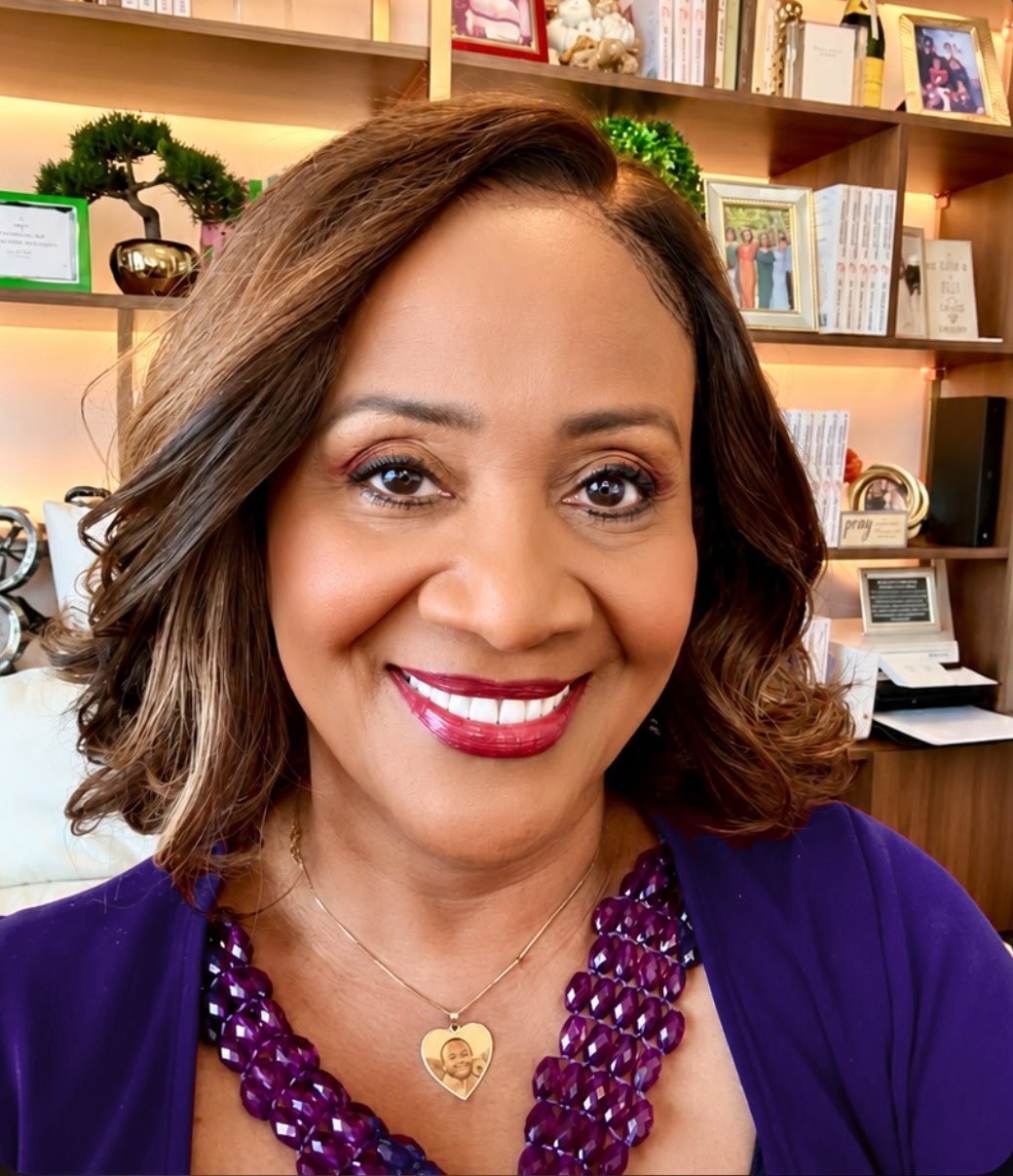
For conference organizers, associations, HR & program planners
Programming a conference, a panel, a podcast, a workshop, or a staff training? I am Dr. Wesley Carter, founder of Westercove™, and I am available to keynote, sit on your panel, lead a fireside conversation, or host. I bring a compassionate, credible, and genuinely useful voice on grief and complex loss, shaped to your audience.
Now booking 2026 and 2027 engagements, virtual or in person.

“I do not come to a stage to perform grief. I come to tell the truth about it, gently, so a room leaves more able to carry loss, their own and one another’s.”
Dr. Wesley Carter · Founder of Westercove™, speaker and panelist
Why this conversation
We grieve the future we expected, the body we trusted, the parent who no longer knows our name, and the life we set down to care for someone else. Then, in time, many of us grieve a death as well. I speak honestly about both, with no platitudes and no timelines, and I leave audiences with a truer, kinder understanding of what loss asks of us.
The scale of it
Grief is common, and mostly invisible. A few numbers I return to.
About 1 in 4 American adults care for someone who is ill, aging, or living with a disability.
AARP & National Alliance for Caregiving, 2025
More than a quarter of U.S. adults live with a disability, and often with the grief that accompanies it.
CDC, 2022
And nearly 12 million people care for someone with dementia, a long goodbye that begins well before death.
Alzheimer’s Association, 2024
About 66% of U.S. households, whose grief when that companion dies is real and too often dismissed.
American Pet Products Association, 2023
Every death ripples out to the family, friends, and coworkers left to carry the loss.
CDC, National Center for Health Statistics
About 1 in 10 adults grieving the death of someone close develop prolonged grief, a more intense and lasting form of grief.
Lundorff et al., meta-analysis, 2017
What I speak about
What grief science teaches about loss that arrives without a funeral, explained in language everyone can understand.
What research tells us about grieving the health, the plans, and the certainty a diagnosis can take, even when no one has died.
What research tells us about ambiguous loss, and why grief can begin while someone we love is still here.
What grief science teaches about mourning one way of living while building another.
What studies of caregivers teach us about grief that begins before a death, and why it deserves support now.
Why losing a role, a routine, and an identity can be grieved, and what the research helps us understand.
What grief science says about divorce and separation as the real loss of a shared future.
What research tells us about stigma and unrecognized grief, and why some losses feel too heavy to say out loud.
How grief science understands the loss of an expected future, and why it counts as grief.
What grief science teaches about loss with no clear ending, explained in plain language.
What the research on ambiguous and unrecognized grief teaches about mourning someone who is still living.
Loneliness as a loss of its own, and what research says about connection and grief.
Kenneth Doka’s research on disenfranchised grief, the losses others do not see, and why they still count.
The latest research on the losses the world serves poorly, explained without stages or timelines.
What grief science says about losing a child, a partner, a parent, a sibling, or a friend, and why grief keeps no timetable.
What research tells us about pet loss as real grief, and why it deserves the same care.
What research tells us about the guilt, the anger, and the stigma these losses can carry, and about support that helps.
What grief science says about losses that arrive without warning, in plain language.
What research tells us about how people move between grieving and ongoing life, and why that movement is healthy.
What research on continuing bonds teaches about staying connected to someone who died.
A Human-Centered Leadership approach to grief, from more than twenty years of leadership in enterprise technology.
A Human-Centered Leadership approach to how people carry loss and still do meaningful work, at their own pace.
How leaders and teams can support a grieving colleague with dignity, drawing on current research.
What research tells us about support after the first weeks, and how Westercove™ was built from it.
Why invite me
What your audience leaves with

Podcasts, panels & fireside conversations
I am glad to be a guest on your podcast, join a panel, or lead a fireside chat or moderated conversation on grief, caregiving, mental health, and the responsible use of technology in care. I come prepared, I listen well, and I keep the conversation honest and humane.
Formats
Podcast guest, keynote, panel or fireside conversation, workshop or breakout, and a warm master of ceremonies. Virtual or in person.
Audiences
Hospice and palliative care, caregiver and disability organizations, grief and bereavement groups, veteran and military survivor communities, pet-loss and veterinary teams, employers and benefits leaders, faith communities, and conferences and associations.

“Grief changes us. We learn to live with the absence, carry the love, and find our way through a life that will never be quite the same.”
Booking
Tell me a little about your event and what you are hoping for. I read every request personally.
Or email drwesley@westercove.com.